

Maintaining the aesthetic appeal of your outdoor area is essential, and one of the key elements to achieving a stunning facade is making sure your patio stones remain tidy and lively. If you have a charming brick terrace or a stylish paver pathway, the appropriate cleaning methods can make all the impact in enhancing the durability and look of these areas. Unfortunately, numerous homeowners are oblivious of the clues that indicate it's time for expert deep cleaning or the best approaches to ensure their pavers attractive.
In this guide, we will explore the tips to sparkling patio stones, diving into the crucial cleaning strategies that provide remarkable results. From understanding the significance of protective sealing and the impact of heavy rainfall on unsealed joint gravel to learning about the risks of ignoring mold and algae, this article offers valuable knowledge for every homeowner. Follow us as we disclose expert tips, budget factors, and the do's and don'ts of paving stone cleaning, making sure your landscape areas stay welcoming and stunning for years to come of usage.
Indications That Your Pavers Require Deep Cleaning
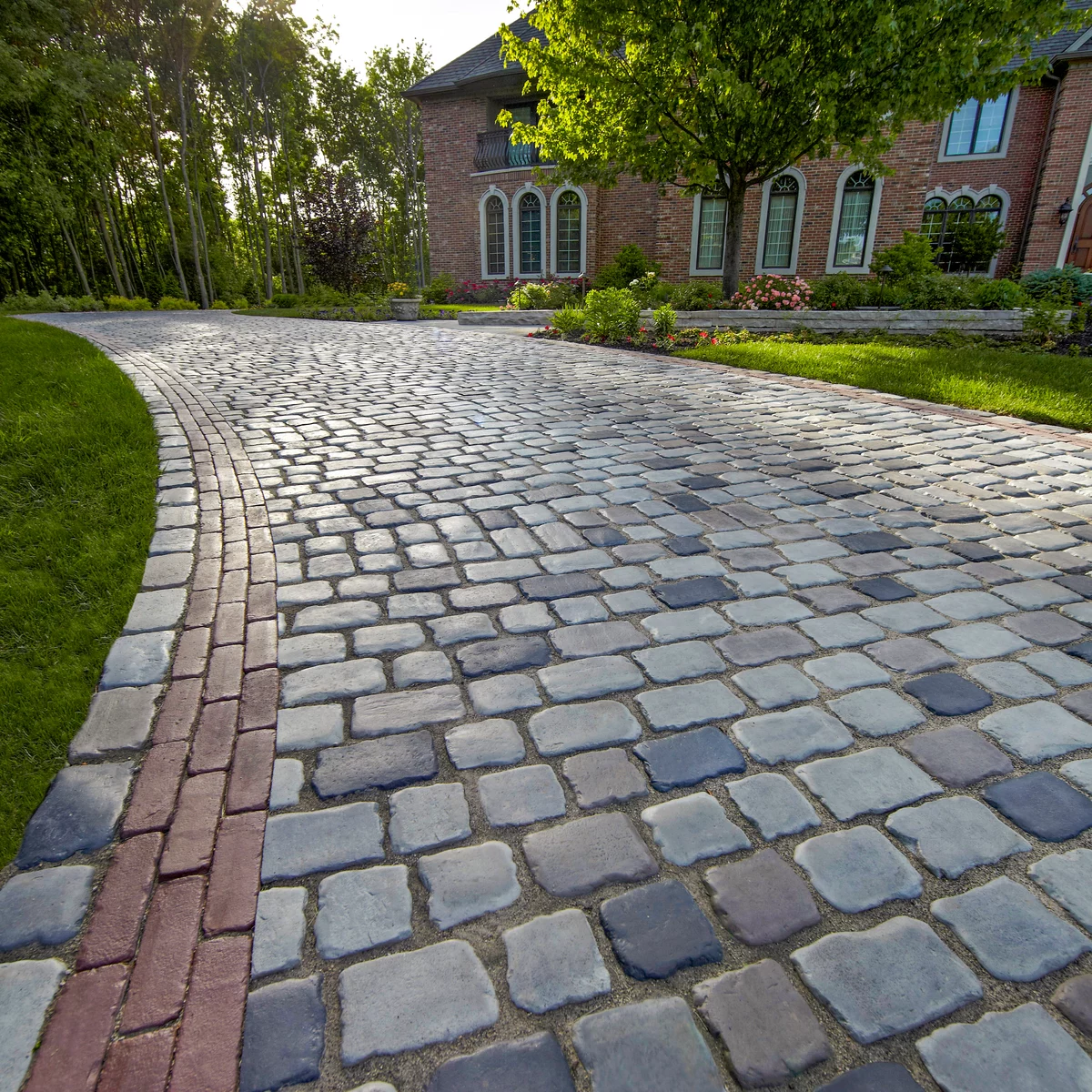
An of the clearest clues that your pavers need deep cleaning is the visible build-up of dirt, grime, and stains. Over time, organic debris such as leaves, mud, and algae can form unsightly patches on the pavers, making your outdoor space appear neglected. If you see colors fading or a dull appearance, it's a clear sign that a thorough cleaning is necessary to restore their former beauty.
Another sign, to look out for is the presence of mold or mildew on your patio or driveway pavers. Such growths can thrive in damp conditions and pose health risks, as well as create slippery surfaces. If paver cleaning notice discolored patches or a musty odor, the pavers are not just dirty, but may also be hosting harmful spores that need to be addressed immediately with professional deep cleaning.
Weeds growing between the pavers are also a strong signal that it's time for a deep clean. As weeds take root, they not only disrupt the appearance of the paved areas but can also compromise the structural integrity of the pavers themselves. If you’re frequently removing weeds and noticing them returning quickly, it may be a sign that your paver joints need a deep clean followed by the application of polymeric sand for enhanced weed prevention.
Essential Paver Maintenance Methods
To realize sparkling pristine paving stones, it is important to implement proper cleaning techniques that suit the specific type of paving stone you are using. For basic maintenance, start by clearing away detached debris such as dirt, foliage, and herbaceous remnants. This initial step halts dirt buildup and sets up the material for more intensive cleaning. For a thoroughly clean, use a combination of environmentally safe detergent and liquid, spreading it with a stiff bristle brush to combat blemishes and color variations. Always try any cleaning product on a little, hidden area first to ensure it doesn’t hurt the surface's layer.
In cases of stubborn oil stains on your pathway pavers, take into account a degreaser tailored formulated for outdoor areas. Apply the degreaser freely to the soiled area, allowing it to sit for a few minutes to decompose the oil. After that, scrub the area with a brush to clear the stain, and rinse thoroughly with water. If necessary, redo this process until the stain is eliminated. Additionally, regular pressure washing can aid maintain the look of your pavers, but use caution. Avoid high-pressure turbo nozzles, as these can damage the material and lead to expensive restorations.
After cleaning, sealing your pavers is essential for sustained maintenance. Choose a high-quality sealer that complements the look of your pavers, such as a shiny or flat option, according to your design preference. Coating sealer not only shields against marks and fading but also assists prevent the expansion of mold and algae. Be sure to comply with the manufacturer's instructions regarding curing times and coats for best protection. By including these strategies, you'll make certain that your pavers stay pristine, bright, and resilient against the elements.
Frequent Mistakes to Avoid When Washing Pavers
One of the most prevalent errors homeowners commit while cleaning pavers is using high pressure while power washing. Using high pressure nozzles can remove sand from spaces and cause damage to the pavers themselves, resulting in leading to expensive fixes. It is important to apply the correct pressure and a fan nozzle to effectively clean the area without causing damage.
Additionally, another common mistake is neglecting to adequately evaluate the type of blemishes on the pavers prior to using cleanser products. For example, grease stains require specific degreasers to break down the residue, while organic blemishes from mildew or plant growth may need a different solution. By using the wrong solution, you could risk harming the pavers or failing to remove the blemishes entirely.
In addition, many homeowners overlook the significance of applying sealer after cleaning. Failing to apply a proper paver sealant can make your area vulnerable to stains, mold, and erosion. Proper sealing not just improves the appearance of your pavers but also increases their durability, protecting them from severe weather conditions and daily usage.